
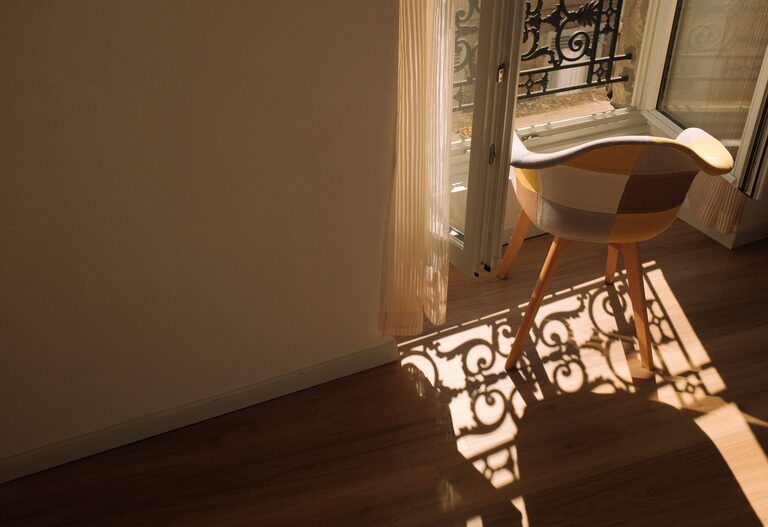
A dark room can feel smaller, quieter, and less inviting than the rest of your home. Fortunately, you do not need a major renovation to make it feel brighter. A few thoughtful changes to lighting, color, furniture, and accessories can improve the room’s atmosphere and make the most of the light it already receives.
Whether you are refreshing a bedroom, living room, hallway, or home office, these practical ideas can help you create a lighter and more comfortable space.
Start With Better Lighting
The fastest way to brighten a dark room is to add or improve its lighting. Instead of relying on one ceiling fixture, use several light sources at different heights.
Layer your lighting
A well-lit room usually combines three types of lighting:
– Ambient lighting: General light from ceiling fixtures, flush mounts, or chandeliers
– Task lighting: Focused light from desk lamps, reading lamps, or under-cabinet fixtures
– Accent lighting: Decorative light from wall sconces, picture lights, or small table lamps
Using multiple sources helps eliminate dark corners and gives you more control over the room’s mood. Place a floor lamp beside a sofa, a table lamp on a console, or a small lamp on a nightstand.
Choose the right bulbs
Bulbs with a warm white glow can make a room feel cozy, while bulbs with a neutral white tone can create a cleaner, brighter appearance. For most living spaces, look for bulbs in the range of about 2700K to 3500K.
If the room feels dull, choose bulbs with a higher brightness rating. Always check the fixture’s recommended wattage or brightness limits before making a change. LED bulbs are a practical choice because they use less energy and are available in many shapes and color temperatures.
Use Light, Reflective Colors
Color has a major effect on how bright a room feels. Light shades reflect more light around the space, while very dark colors tend to absorb it.
You do not have to use plain white. Consider these soft, brightening shades:
– Warm white
– Pale beige
– Light gray
– Soft blue
– Cream
– Pale green
– Light taupe
If painting the entire room feels like too much work, focus on one high-impact area. Repainting the ceiling a clean white can make the room feel taller and brighter. You can also paint trim, doors, or built-in shelving in a lighter shade to create contrast and reflect more light.
For a subtle update, use light-colored artwork, cushions, throws, and rugs. These smaller touches can brighten the room without changing the wall color.
Add a Well-Placed Mirror
Mirrors can make a dark room feel more open by reflecting light and creating the impression of extra space. The key is placement.
Position a mirror across from or near a window so it can reflect daylight into the room. If there is no window, place it opposite a lamp, wall sconce, or other light source. A large mirror leaning against a wall can make a strong impact, while a group of smaller mirrors can add visual interest.
Choose a frame that suits the room’s style. A slim metal frame may feel modern, while a wood frame can add warmth. Avoid covering every wall with reflective surfaces, since too many mirrors can make the room feel busy.
Keep Windows Clear
Heavy curtains, crowded windowsills, and large pieces of furniture can block valuable daylight. Keep the area around the window as open as possible.
Try these simple window updates
– Replace thick curtains with sheer or lightweight panels
– Hang curtains slightly above and wider than the window frame
– Use blinds or shades that can be fully opened during the day
– Remove items that block the lower part of the window
– Clean the glass regularly to improve the amount of incoming light
Hanging curtains higher and wider can also make the window appear larger. Choose light fabrics in colors that coordinate with the walls for a seamless look.
Choose Furniture With Care
Large, solid furniture can make a dark room feel crowded. If the room feels heavy, consider replacing or rearranging a few pieces.
Furniture with raised legs allows more of the floor to remain visible, which can make the space feel more open. Glass, acrylic, or slim metal details can also reduce visual weight. For example, a narrow console may work better than a deep cabinet, and a small side table may be more suitable than a bulky end table.
Arrange furniture so it does not block windows or interrupt the flow of light. Leave clear pathways where possible, and avoid placing tall items directly in front of the brightest part of the room.
Add Light-Colored Textiles
Textiles cover a large portion of many rooms, so changing them can have an immediate effect. A dark rug or heavy sofa can make the entire space feel dim.
Consider adding:
– A light area rug
– Cream or pale-colored curtains
– Bright cushion covers
– A soft throw blanket
– Light bedding
– Upholstery in neutral shades
If you already have dark furniture, balance it with lighter accessories. A light rug beneath a dark coffee table, for example, can create contrast while reflecting more light across the floor.
Patterns can work well, too. Choose simple designs with a light background and a few darker accents to keep the room interesting without making it feel visually crowded.
Reduce Clutter
Clutter can make a dark room feel even darker by blocking surfaces and breaking up the flow of light. A simple decluttering session may be all the room needs to feel more open.
Start by removing items that do not belong in the space. Then group similar objects together and store smaller items in baskets, boxes, or drawers. Keep tabletops and windowsills as clear as possible.
Open shelving can look attractive, but too many displayed items may create a busy appearance. Select a few favorite pieces and store the rest. A calmer arrangement helps light move through the room and makes bright surfaces more noticeable.
Use Light-Reflecting Finishes
Some materials naturally bounce light around a room. Add a few reflective finishes through furniture and decor, but use them carefully.
Helpful options include:
– Glass tabletops
– Glossy ceramic vases
– Polished metal frames
– Satin-finish accessories
– Light wood surfaces
– Reflective wall art
You do not need to make everything shiny. A few reflective details can add brightness while maintaining a comfortable, balanced look. Combine them with soft fabrics and natural textures so the room does not feel cold.
Bring in Plants and Fresh Details
Green plants can add life and contrast to a dark room. Place them near a window or another bright area where they can receive suitable light. If the room gets very little natural light, choose easy-care varieties that tolerate lower-light conditions, or use realistic artificial plants.
A vase of fresh flowers, a bowl of light-colored objects, or a small arrangement of natural branches can also add color and energy. Keep arrangements simple so they enhance the room rather than add clutter.
Rearrange Before You Buy
Before purchasing new decor or furniture, try rearranging what you already have. Move tall bookcases away from windows, place seating closer to a light source, or rotate the room’s layout to create a clearer path.
Take a few photos from different corners to see where the room looks darkest. Photos can reveal blocked windows, crowded areas, or unbalanced furniture more easily than viewing the room casually.
Small adjustments often make a noticeable difference. Once the layout is working well, add lighting, mirrors, or lighter accessories where they will have the greatest effect.
Create a Brighter Room in Stages
You can brighten a dark room without changing everything at once. Begin with the easiest updates: clear the windows, change the bulb, remove clutter, and rearrange furniture. Next, add a mirror, lighter textiles, or a new lamp. If the room still feels dim, consider repainting the walls or ceiling.
The most successful spaces balance brightness with comfort. Use light colors, layered lighting, and reflective details while keeping a few warm textures and personal items. With a handful of simple changes, even a dark room can feel open, welcoming, and full of character.