
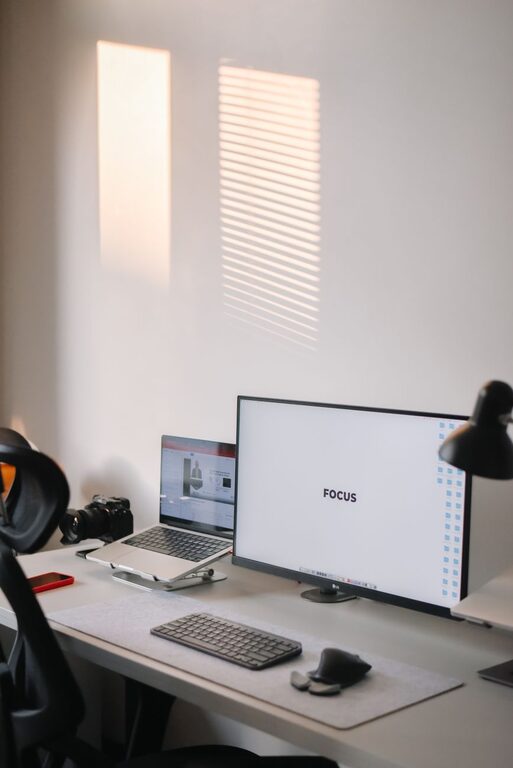
Working from home offers flexibility, but it can also make concentration more difficult. Household chores, personal devices, family members, and an informal work setting can all compete for your attention. The good news is that better focus does not require a perfect home office or a complicated system.
Small changes to your workspace, schedule, and daily habits can make it easier to stay engaged with important tasks. Use the following tips to create a work-from-home routine that supports steady progress without making your day feel overly rigid.
Create a Dedicated Work Area
A dedicated work area helps separate your professional responsibilities from the rest of your home life. This does not need to be a separate room. A small desk, a corner of the dining table, or a portable workstation can work well.
Try to keep your work area consistent and organized. When you sit down in the same place each day, your surroundings can serve as a useful reminder that it is time to focus.
Keep only essential items within reach, such as:
– Your computer and charger
– A notebook and pen
– Water or another drink
– Headphones, if helpful
– The materials needed for your current task
At the end of the workday, clear away unnecessary items. A quick reset makes it easier to begin fresh the next morning.
Plan Your Most Important Tasks
Starting the day without a plan can lead to constant switching between emails, messages, and minor tasks. Before you begin working, identify the two or three tasks that matter most.
Write these tasks in a simple list and estimate how much time each one may require. Be realistic rather than filling your schedule with more work than you can reasonably complete.
A useful daily plan might include:
- One important project task
- One or two smaller follow-up tasks
- Time for communication and administration
- A clear stopping point for the day
Focus first on work that requires the most attention. Completing an important task early can make the rest of the day feel more manageable.
Use Time Blocks
Time blocking means setting aside specific periods for different types of work. For example, you might reserve the first hour for focused project work, the next 30 minutes for email, and the afternoon for meetings or routine tasks.
This approach reduces the need to decide what to do every few minutes. It also helps protect important work from being pushed aside by less urgent requests.
When creating time blocks:
– Group similar tasks together
– Leave space between meetings
– Avoid scheduling every minute
– Add extra time for unexpected requests
– Match demanding tasks with the time of day when you feel most alert
Your schedule should provide structure without becoming a source of pressure. If a block does not work as planned, adjust the next one and continue.
Reduce Digital Distractions
Digital notifications can interrupt your attention even when you do not respond to them. Each interruption may make it harder to return to the task you were doing.
Review your notification settings and turn off alerts that are not essential during focused work periods. You can also close unused browser tabs and keep personal apps on a different device when possible.
Consider these simple habits:
– Check email at planned times
– Silence nonessential phone notifications
– Close messaging apps during deep work
– Use website limits if certain sites are distracting
– Keep only task-related tabs open
Let coworkers or clients know when you are available and when you are concentrating. A status message or shared calendar can help set expectations.
Work in Focused Sessions
Long, uninterrupted work sessions are not always necessary. Many people find it easier to focus in shorter sessions followed by brief breaks.
Try working for 25 to 50 minutes, then take a five- to ten-minute break. During the break, step away from your screen, stretch, refill your water, or look out a window.
The goal is not to follow one perfect timing method. Instead, use a pattern that helps you stay engaged while giving your attention a chance to reset.
During each focused session, choose one clear objective. For example, rather than planning to “work on a report,” aim to “draft the introduction and organize the supporting points.”
Manage Household Interruptions
Working from home often means sharing space with other people. Clear communication can reduce interruptions and prevent frustration.
Explain your working hours and identify times when you should not be disturbed unless something is urgent. A closed door, a desk sign, or headphones can act as a simple visual signal.
If you care for children, pets, or other household responsibilities, build realistic breaks into your schedule. You may also find it helpful to coordinate quiet periods with other people in the home.
Not every interruption can be avoided. When one happens, write down where you stopped before switching tasks. This makes it easier to resume your work without spending time trying to remember your place.
Keep Meetings Under Control
Meetings can take up a large part of the workday and make it difficult to complete individual tasks. Before accepting a meeting, check whether the goal could be handled through a short message or shared document.
For meetings that are necessary:
– Review the purpose in advance
– Prepare a short list of points to discuss
– Take notes on decisions and next steps
– End when the main topics are complete
– Schedule a short buffer afterward when possible
Avoid placing meetings back to back throughout the day. Even a ten-minute gap can give you time to review notes, prepare for the next task, or take a short break.
Keep Your Workspace Comfortable
An uncomfortable workspace can make it harder to stay focused. Place your screen at a comfortable height, keep your keyboard and mouse within easy reach, and adjust your chair so you can work without unnecessary strain.
Lighting also matters. Use natural light when available, but avoid placing your screen directly in front of a bright window. A tidy, comfortable space is easier to use for extended periods.
You can improve your environment by:
– Keeping the room at a comfortable temperature
– Reducing background noise
– Using headphones for steady, non-distracting audio
– Keeping water nearby
– Removing clutter from your immediate work area
Take Real Breaks
A break should help you step away from work, not simply move from a work document to a personal screen. Stand up, walk around, prepare a snack, or complete a quick household task.
Short breaks can help divide the day into manageable sections. Longer breaks, such as lunch, should give you enough time to leave your workspace and return with a clearer mind.
If possible, avoid eating every meal at your desk. Creating a physical separation between work and rest can make the day feel more balanced.
Create a Clear End to the Workday
One challenge of working from home is knowing when to stop. Without a clear ending, it is easy to continue checking messages or thinking about unfinished tasks.
Create a simple closing routine. Review what you completed, write down the next steps for tomorrow, and organize your workspace. Then shut down your computer or move it out of sight.
This routine helps capture unfinished work without carrying every detail into your evening. It also gives you a clear starting point when you return the next day.
Improve One Habit at a Time
Better focus develops through consistent, manageable changes. You do not need to use every strategy at once. Start by choosing one improvement, such as turning off notifications or planning your top tasks each morning.
After a week, consider what worked and what did not. Adjust your approach based on your responsibilities, workspace, and natural work rhythm.
A productive home routine should help you complete meaningful work while leaving room for normal life. With a clear workspace, realistic plans, focused sessions, and regular breaks, you can make working from home calmer and more effective.