
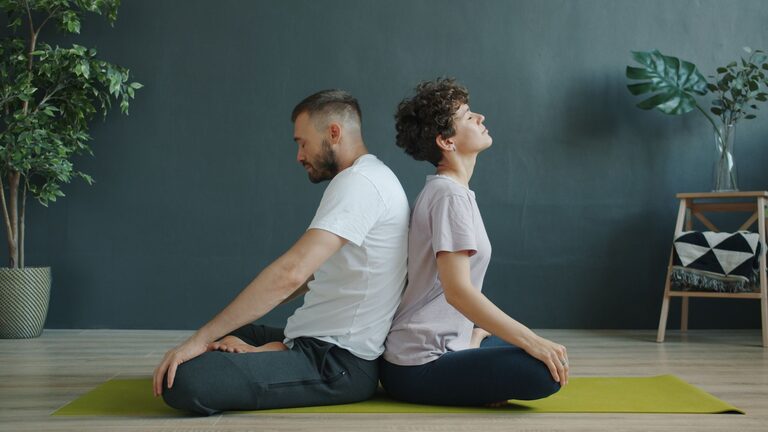
Mindful breathing breaks are short pauses that bring your attention to the natural rhythm of your breath. They can be done almost anywhere, whether you are at your desk, waiting for an appointment, or taking a break between tasks.
You do not need special equipment, a quiet room, or a lot of free time. Even one or two minutes can create a useful pause in a busy day. The goal is not to breathe perfectly or clear your mind completely. Instead, mindful breathing is about noticing the present moment with a calm, gentle attitude.
What Is a Mindful Breathing Break?
A mindful breathing break is a brief period when you intentionally focus on breathing. You notice the movement of the breath without trying to control every detail.
During a break, you might pay attention to:
– The feeling of air moving through your nose
– The rise and fall of your chest or belly
– The length of each inhale and exhale
– The small pause between breaths
– Sounds, sensations, or thoughts that come and go
Your attention will probably wander. That is normal. Each time you notice your mind has moved elsewhere, gently return your focus to the breath.
Start With a Small Time Goal
One of the most common beginner mistakes is trying to practice for too long. A short, comfortable break is easier to repeat than a long session that feels difficult.
Begin with one to three minutes. You can set a quiet timer if you find it helpful, or simply take five slow, attentive breaths.
Try one of these starting points:
– Three breaths before opening your email
– One minute after getting out of bed
– Two minutes before starting a new task
– Five breaths while waiting for a page to load
– One minute before your evening routine
As the habit becomes familiar, you can gradually extend the time. There is no need to reach a particular number of minutes for the break to be worthwhile.
Choose a Comfortable Position
You can practice mindful breathing while sitting, standing, or walking slowly. Choose a position that allows you to stay comfortable and reasonably alert.
If you are sitting, place both feet on the floor if possible. Let your hands rest naturally in your lap or by your sides. Allow your shoulders to soften without forcing them down.
You can keep your eyes open, lower your gaze, or close your eyes if that feels comfortable. For a quick break in a shared space, keeping your eyes open may feel more natural.
Comfort matters more than perfect posture. A relaxed, supported position makes it easier to notice the breath without creating unnecessary tension.
Let the Breath Stay Natural
When people first try mindful breathing, they sometimes attempt to take unusually deep or slow breaths. This can make the practice feel strained or distracting.
Instead, begin by observing your normal breathing. Notice whether the breath feels light, deep, quick, or slow. There is nothing you need to fix immediately.
If you choose to make the breath slightly slower, do so gently. Avoid forcing a long inhale or holding your breath for longer than feels comfortable. A simple approach is to let the exhale soften naturally while keeping the inhale easy.
The most important part is awareness, not a specific breathing pattern.
Use a Simple Point of Focus
A clear point of focus can make mindful breathing easier for beginners. Choose one physical sensation and return to it whenever your attention wanders.
You might focus on:
– Air passing through the nostrils
– The chest expanding and relaxing
– The belly moving with each breath
– The feeling of your feet against the floor
– The sound of your breathing
Pick the area that feels easiest to notice. You do not need to monitor every part of the breath. One steady point of attention is enough.
Try a Basic Three Step Practice
This simple practice can fit into almost any schedule.
1. Pause
Stop what you are doing for a moment. If possible, put down your phone or move your hands away from your keyboard. Let your body settle into a comfortable position.
2. Notice
Pay attention to one natural breath from beginning to end. Notice the inhale, the exhale, and any sensations in between.
3. Return
Continue for several breaths. When thoughts, sounds, or plans pull your attention away, acknowledge the distraction and return to the next breath.
You can silently say “in” and “out” if that helps you stay focused. Another option is to count each exhale from one to five, then begin again.
Connect Breaks to Existing Habits
A mindful breathing break is easier to remember when it is linked to something you already do. This approach removes the need to find a completely new time in your schedule.
Consider adding a short pause:
– After brushing your teeth
– Before beginning work
– When you sit down for a meal
– After finishing a meeting
– Before getting into your car
– While waiting for coffee or tea
– At the end of your workday
You can also connect the practice to transitions. Whenever you move from one activity to another, take one attentive breath before continuing.
Create Helpful Reminders
Small reminders can make a new habit more consistent. Use a calendar note, phone alert, sticky note, or visual cue near your workspace.
Keep reminders simple. A message such as “Take three breaths” is often more useful than a long instruction.
You might place a reminder:
– Beside your computer
– On your desk
– Near a frequently used doorway
– On a notebook or planner
– Next to your water bottle
Avoid setting so many reminders that they become annoying. One or two well-placed cues may be enough.
Handle Common Distractions
Distractions are part of the practice, not proof that you are doing it incorrectly. Noise, unfinished tasks, physical discomfort, and busy thoughts may all appear during a breathing break.
When this happens, try the following:
– Name the distraction quietly, such as “thinking” or “hearing”
– Notice whether your body is tense
– Adjust your position if needed
– Return to one breath rather than demanding complete silence
– Start again without criticizing yourself
The practice is not about maintaining perfect concentration. It is about noticing where your attention goes and choosing to come back.
Make the Break Fit Your Environment
Mindful breathing does not have to look formal. You can make it discreet and practical.
At work, keep your hands relaxed and take a few natural breaths while sitting at your desk. In a public place, focus on the feeling of your feet on the ground while noticing your breathing. During a walk, match your awareness to your steps without trying to change your pace.
If your surroundings are noisy, include the sounds in your awareness. You can notice the sounds briefly and then return to the breath. A quiet environment is helpful but not required.
Practice With Patience
Some days, mindful breathing may feel easy. On other days, your attention may be restless from the start. Both experiences are normal.
Try to measure success by whether you showed up for the break, not by how calm you felt afterward. A mindful pause can still be useful even when your thoughts remain busy.
If focusing on breathing feels uncomfortable, you can shift your attention to another neutral sensation, such as your feet on the floor, your hands, or nearby sounds. Keep the practice gentle and within your comfort level.
Build a Sustainable Routine
Consistency usually matters more than length. A one-minute break repeated regularly may be easier to maintain than an occasional twenty-minute session.
Start with one daily breathing break for a week. Once that feels familiar, add a second break or connect it to another daily activity. Keep the routine flexible so it can adapt to busy days.
The purpose is to create small moments of attention throughout your day. With practice, mindful breathing can become a simple way to pause, reset your focus, and approach the next activity more deliberately.